
第2回日本ラテンアメリカ学術会議2025第5回日本チリ学術フォーラム(京都開催)

The 2nd Japan-Latin America Academic Conference 2025 in Kyoto (The 5th Chile-Japan Academic Forum)
2025年9月29日(月)から10月3日(金)にかけて京都大学宇治キャンパスにて「第2回日本ラテンアメリカ学術会議2025(第5回チリ日本学術フォーラム)」が開催されます。UTokyo LAINACはワークショップ4(Social, Cultural and Educational Challenges)の企画運営を行っています。本イベントの詳細については、フォーラム公式ウェブサイトをご参照ください。本ページではワークショップ4の詳細をご紹介します。
また、本イベントの分科会として、UTokyo LAINACは”2025 UTokyo LAINAC Research Workshop: Transcontinental dialogue on social movements, popular protests, and contentious politics in Asia and Latin America””を開催します。このワークショップは、9月27日から29日の3日間、京都大学の百周年時計台記念館と稲盛財団記念館にて実施されます。詳しくは、ホームページをご参照ください。
The 2nd Japan-Latin America Academic Conference 2025 (5th Chile-Japan Academic Forum) will be held at Kyoto University’s Uji Campus from September 29 (Monday) to October 3 (Friday), 2025. UTokyo LAINAC is organizing and managing its Workshop 4 (Social, Cultural and Educational Challenges). For details on this event, please refer to the official forum website. This page provides details on Workshop 4.
As a presession of this event, UTokyo LAINAC will host the “2025 UTokyo LAINAC Research Workshop: Transcontinental Dialogue on Social Movements, Popular Protests, and Contentious Politics in Asia and Latin America.” This workshop will take place over three days, from September 27 to 29, at the Kyoto University Clock Tower Centennial Hall and the Inamori Foundation Memorial Hall. For more details, please refer to the official website.
Quick Links/ リンク
Conference Location/ 会場
Conference Schedule/ 会議の全体スケジュール表
Conference Registration Fees/ 会議参加費等
Workshop 4 Program/ ワークショップ4プログラム
Journals of Participation/ 参加記
Sponsors & Supporters/ イベントを支援してくださった方々
2025 UTokyo LAINAC Research Workshop “Transcontinental dialogue” (9/27-9/29 in Kyoto)
Conference Location/ 会場
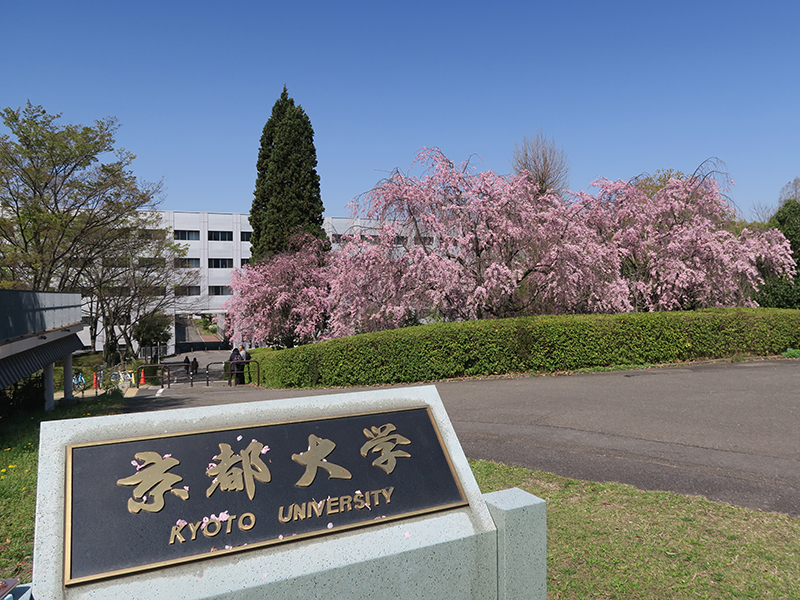 https://www.kyoto-u.ac.jp/ja/about/facilities/photo/list/uji
 ***********************************************************

Kyoto University Uji Campus Map
京都大学宇治キャンパス会場地図
*Workshop 4 (WS4) will use (1) E417 Main Building East Wing and (2) S143 Main Building South Wing.
Conference Schedule/ 会議の全体スケジュール表
| September 29 (Mon) | September 30 (Tue) | October 1 (Wed) | October 2 (Thu) | October 3 (Fri) |
| Opening Day | Session Day 1 | Session Day 2 | Closing Day | Cultural Activities |
| Kyoto University (Uji Campus) | Kyoto University (Uji Campus) | Kyoto University (Uji Campus) | Kyoto University (Uji Campus) | Kyoto and Osaka |
| — | 9:00-10:45 Sessions 1-1 | 9:00-10:45 Sessions 2-1 | 9:00-10:30 Workshop Plenary Reports | 8:30-18:30 Special All Day Tour |
| — | 10:45-11:15 Coffee Break | 10:45-11:15 Coffee Break | 10:30-11:00 Coffee Break | Byodoin Temple in Uji, Kyoto 平等院 |
| — | 11:15-13:00 Sessions 1-2 | 11:15-13:00 Sessions 2-2 | 11:00-12:00 Keynote Lectures | OSAKA EXPO 2025 大阪・関西万博2025 |
| 15:00-16:00 Registration | 13:00-15:00 Lunch Break | 13:00-15:00 Lunch Break | 12:00-13:00 Closing Ceremony | — |
| 16:00-17:00 Opening Ceremony | 15:00-16:45 Sessions 1-3 | 15:00-16:45 Sessions 2-3 | PM Free Schedule | |
| 17:00-18:00 Keynote Lectures | 16:45-17:00 Cofee Break | 16:45-17:15 Cofee Break | — | — |
| 18:30-20:00 Welcome Reception | 17:00-18:45 Sessions 1-4 | 17:15-18:00 Sessions 2-4 | — | — |
Conference Registration Fees/ 会議参加費等
The expenses associated with attending the conference/forum are as follows:
- September 29 (Mon): Welcome Reception: 4,000 yen (Students: 2,000 yen)
- September 30 (Tue): Workshop Registration: 3,000 yen (Students: 1,000 yen)
- October 1 (Wed): Workshop Registration: 3,000 yen (Students: 1,000 yen)
- October 3 (Fri): Cultural Activities: about 10,000 yen
Register and make payments by clicking this link(第5回日本チリ学術フォーラム/日本ラテンアメリカ学術会議2025:登録フォーム)
Workshop 4 Program / ワークショップ4のプログラム(under construction)
【お願い】ワークショップ4は、発表の希望が非常に多かったために京都大学防災研究所から二つの部屋をお借りして同時並行で進めることとなりました。同時に開かれる2つのパネル両方を聞きたい方のために、Zoom録画をおこなって会議後1か月間(10月31日まで)動画を視聴できるようにさせていただきます。ご了承ください。
Request: Due to the high number of presentation requests for Workshop 4, we have arranged to borrow two rooms at Kyoto University’s Disaster Prevention Research Institute and will proceed with parallel sessions. For those who wish to attend both panels held simultaneously, we will record the sessions on Zoom and make the videos available for viewing for one month after the conference (i.e. during the month of October). Thank you for your understanding.
Session Day 1 September 30 (Tuesday) (# Online Participation) | ||
| Room A | Room B | |
| Venue | Main Building East Wing 4FE417 | Main Building South WingS143 |
| Zoom | 9/30 Room A Zoom link here | 9/30 Room B Zoom link here |
| 09:00-10:45 | Panel A-1 Gender and Political Challenges
| Panel B-1 Political Challenges |
| 10:45-11:15 | Coffee Break | |
| 11:15-13:00 | Panel A-2 International/Transnational Challenges | Panel B-2 State, Market, and Society: Global and Local Challenges |
| 13:00-15:00 | Lunch Break | |
| 15:00-16:45 | Panel A-3 Challenges in Economy, Poverty, and Security | Panel B-3 Challenges for Social Movement Research |
| 16:45-17:00 | Coffee Break | |
| 17:00-18:45 | Panel A-4 Challenges in Arts and Aesthetics | Panel B-4 Challenges in Public Security |
Session Day 2 October 1 (Wednesday) (# Online Participation) | ||
| Room A | Room B | |
| Venue | Main Building East Wing 4FE417 | Main Building South WingS143 |
| Zoom | 10/1 Room A Zoom link here | 10/1 Room B Zoom link here |
09:00-10:45 | Panel A-5 Challenges in Latin American Literature | Panel B-5 Challenges for Contentious Politics Research |
10:45-11:15 | Coffee Break | |
11:15-13:00 | Panel A-6 Educational Challenges in Global and Local Context | Panel B-6 Development and Democracy: Challenges Ahead |
13:00~ | Excursion | |
Closing Day October 2 (Thursday) | ||
09:00-10:30 | Workshop Plenary Reports (no zoom)
| |
Session Day 1: September 30 (Tue)
Gender and Political Challenges
(Note: The presentations and discussions in this panel will be conducted in Spanish.)(Back to Program)

(Professor, UTokyo LAINAC & Department of Advanced Social and International Studies, Graduate School of Arts and Sciences, The University of Tokyo, Japan/ 東京大学大学院総合文化研究科国際社会科学専攻・UTokyo LAINAC教授)

(Graduate Student, Human Security Program, Graduate School of Arts and Sciences, The University of Tokyo, Japan/ 東京大学大学院総合文化研究科人間の安全保障プログラム院生)
La reforma educativa y las mujeres indígenas durante la era de Torrijos en Panamá: el caso del pueblo ngäbe
(Abstract) In the Comarca Ngäbe-Buglé, an indigenous region in western Panama, the sociopolitical situation of Ngäbe women has undergone significant transformations since the 1990s. This study analyzes the factors that contributed to these changes, with particular attention to reforms implemented during the regime of General Omar Torrijos, following the 1968 coup d’état. Specifically, it examines the role of educational reform in the empowerment of indigenous women.
Previous scholarship has often reduced this phenomenon to the simple increase in the number of schools in indigenous areas, suggesting that higher enrollment rates directly improved women’s living conditions. However, such a perspective overlooks the deeply entrenched patriarchal structures that historically excluded women from formal education.
This presentation argues that access to education did not merely represent an institutional opportunity, but became a process through which Ngäbe women developed self-affirmation and reshaped their own life trajectories. Drawing from oral histories, the analysis also incorporates the perspectives of men who supported these changes, highlighting how shifts in family decision-making allowed for greater allocation of household resources toward the education of daughters. While it is not possible to claim a full transformation of community-wide perceptions, the recognition by male household heads—who traditionally controlled the distribution of resources—marks a crucial turning point within the domestic sphere.
Based on in-depth interviews conducted in the Comarca, the study reconstructs the narratives of indigenous peoples who benefited from educational reforms and community scholarships, while also situating these experiences within broader processes of agency and gender relations. The findings seek to provide a more nuanced understanding of indigenous women’s empowerment, acknowledging the interplay of individual resilience, male support, and state-led reforms as catalysts of social and political transformation.
(Back to Program)

(Graduate Student, Department of Area Studies, Graduate School of Arts and Sciences, The University of Tokyo, Japan/ 東京大学大学院総合文化研究科地域文化研究専攻院生)
Mujeres en la derecha populista española: apuntes sobre “conexiones parciales”
(Abstract) The Spanish right-wing populist party Vox was founded in 2013 and began gaining momentum around 2018. It is now the third-largest party in Spain’s lower house of parliament. This study examines the multifaceted dimensions of Vox supporters’ political engagement from a gendered perspective.
In theories of populism, scholars have emphasized the ambiguity and polysemy of the concept. Yet such debates often remain at the level of abstract political theory. This study, by contrast, addresses the everyday practical aspects of party supporters. It does so through the anthropological framework of “partial connections” (Strathern 2004), which enables fine-grained analysis at the micro level.
Research on Vox has underscored the centrality of gender-related claims in both party discourse (Cabezas 2022) and among supporters (Pichel-Vázquez 2024). More broadly, the study of gender within far-right movements has a long trajectory since K. Blee’s pioneering work on the roles of women in U.S. extremist organizations. However, much of this scholarship assumes that supporters are embedded in organized movements, and women’s participation has sometimes been pathologized as an outcome of individual circumstances (Blee 2019).
This study questions such assumptions. Not all Vox supporters are actively involved in organizational structures, and even when they are, their engagement must also be understood in relation to personal histories and lived experiences. Accordingly, this research takes a critical stance toward viewing Vox support exclusively through the lens of social movement theory.
Drawing on life history interviews and participant observation conducted in northern Spain in 2023, this paper analyzes the “partial connections” through a female Vox supporter. By situating her political orientation in the context of everyday practices and biographical background, the study highlights modes of connection with the far right that extend beyond formal or organized participation.
(References)
Blee, K. (2017). Understanding Racist Activism: Theory, Methods, and Research. Routledge.
Cabezas, M. (2022). Silencing feminism? Gender and the rise of the nationalist far right in Spain. Signs: Journal of Women in Culture and Society, 47(2), 319–345.
Pichel-Vázquez, A. (2024). Género ultra: Movilizaciones afectivas en la política de género de Vox [Doctoral dissertation, Universitat Oberta de Catalunya].
Strathern, M. (2004). Partial Connections. Rowman Altamira.
(Keywords) Spain, Right-wing populist party, Vox, partial connections, life history, gender
(Back to Program)

(Universidad de Panamá, Panamá)
La vulnerabilidad de las mujeres en la situación de pobreza en Panamá
(Abstract) Panama has an estimated population of 4,571,189 according to 2025 figures. Of this population, approximately 2.25 million are men and 2,118,096 are women. The country’s political division is by provinces, and only recently have indigenous comarcas been included, which are independent of provincial authorities. Panama has a history of colonization, and consequently, racial, social class, and gender discrimination, which has been perpetuated throughout the country’s history.
It is only in recent decades that social movements have emerged advocating for equality and equity. Among these are feminist groups defending women’s rights, achieving gains such as women’s political participation, access to education, entry into employment sectors previously dominated by men, recognition in the workplace, and protection against domestic violence, among other achievements.
Despite these advances, significant inequalities persist, particularly affecting women from rural areas, indigenous communities, women with disabilities, and Afro-descendant women, where inequity is more pronounced. Persistent issues include wage gaps between men and women across sectors despite equal education levels; high concentration of women in the informal sector (street vending, domestic work, unregistered microenterprises); the burden of unpaid care and domestic work; and conditional cash transfers as the primary social policy for women living in poverty. Economic dependency is closely linked to gender-based violence, and women’s participation in economic and community decision-making remains low, often relegating them to non-leadership roles.
There are specific risks that exacerbate female poverty, including adolescent pregnancy, which often leads to school dropout, and all forms of gender-based violence. Structural factors that generate vulnerability, such as labor segregation, informal employment, and deficits in social infrastructure in impoverished territories—lack of access to water, transportation, connectivity, and health or education services—increase the time and labor costs for women.
The government has implemented policies and programs to mitigate women’s vulnerability and poverty, but these measures do not fully address existing needs, as they impact not only women themselves but also their children, given that many women are heads of households responsible for meeting these needs. While there is political will to reduce female poverty in Panama, as long as public policies do not aim to eradicate poverty nationally, women will remain disproportionately vulnerable due to the persistence of patriarchal cultural norms, which Panama’s historical context has reinforced.
(Back to Program)

(Graduate Student, Department of Area Studies, Graduate School of Arts and Sciences, The University of Tokyo, Japan/ 東京大学大学院総合文化研究科地域文化研究専攻院生)
Estabilidad de la militancia en las élites partidarias de Acción Popular
(Abstract) “Coalitions of independents.” This is the reality of political parties in Perú, according to Zavaleta. Political parties in Perú had lost their political label since the 80s, and politicians had developed their own way to survive politically. As parties tend to have short lifespans in Perú, politicians move every election to another party to not sink politically with parties. This custom is what had made the reality, which Zavaleta pointed out. In a survey of El Comercio in 2021, we can also reconfirm Zavaleta’s point through the high percentage of outsider politicians in almost all Peruvian parties, like Fuerza Popular, Avanza País and Renovación Popular.
However, Acción Popular(AP) stands out with its low percentage of outsider politicians. Taking note that AP did not have a clear political ideology and had not been through political success recently, there is no clear explanation for its low figure of outsider politicians.
From 2019 until 2025, AP experienced around 6 years without a party leader. This situation had brought no control over the congresses that finally ended in a split into two groups. In 2025, Julio Chavéz Chiong took office as new party leader. According to his interview, he asserts that he plans to force the party members to follow the party’s policy and otherwise leave the party.
This survey tries to explain the reasons for AP’s low percentage of outsider politicians by focusing on the change in the percentage of outsider politicians between the 2021congress election, 2022 regional elections and 2026 congress and regional elections under the new leader.
If the percentage of outsider politicians had increased in 2026, compared to 2021 and 2022, and those who used to belong to AP had moved to another party, it would help to explain that the low percentage of outsider politicians in AP was due to the lack of control in AP party member’s policy and its stable political participation.
(Back to Program)

(Assistant Professor, Pontificia Universidad Católica de Chile, Chile)

(Professor, Departament of Sociology, Division of Social Sciences and Humanities, Universidad Autónoma Metropolitana Azcapotzalco & Level 3 Member of the National System of Researchers (SNII) Social Sciences, Mexico)
The Radical Right Movement in Mexico
(Abstract) Mexico is very far from God and very close to the United States. It has a population of 130 million inhabitants. In 2018, a charismatic leader named Andrés Manuel López Obrador, AMLO, at the head of the MORENA party and the progressive movement called the “Fourth Transformation,” triumphed in the elections for the first time. The neoliberal radical right, which was in government at the time, completely collapsed. This force was left in an outright minority and began a very difficult path of reconstitution. Two main currents tried to unify: the radical right and the far right.
What we generally assume today as the right, broadly speaking, has philosophical foundations based on the reinforcement of individualism, competition, and “banal cosmopolitanism,” habits rooted in consumer culture. Political priority is given to individual participation over the collective, provoking a systematic process of disintegration and the demolition of social capital. An alleged individual freedom is enforced, which replaces the aspiration for social equality, just as individual civil rights are prioritized over the exercise of collective social rights. The constant is the unrestricted defense of private property, capital accumulation, and the free market.
These rights, at least in Mexico, coincide with this narrative, and are distinguished either by their radicalism (libertarians and anarcho-capitalists) or by their extremism (ultra-conservatives and anti-rights fundamentalists). They are made up of middle-class organizations, corporations, large and medium entrepreneurs, political parties, fronts, and coalitions that navigate between one and another ideological edge. They have formed alliances, coalitions, organizations, and parties that fit into one or another ideological position.
This paper deals with the conflict generated between the right-wing opposition movement against the new progressive government in Mexico, from 2018 to 2024, the forms of mobilization and unification, as well as the strategies for overthrowing the new regime.
(Back to Program)

(Cowen Chair in Latin American Social Sciences, Department of Political Science, Tulane University, USA)
Violence and Social Protests in Peru
(Abstract) Previous studies of Peru’s popular uprising of 2022-23 emphasize the interactivity of long-standing social inequalities, a persistent crisis of political representation and the sudden removal of President Pedro Castillo. This paper emphasizes the importance of organizations (e.g., unions, associations, community organizations) in moderating protest dynamics. The paper uncovers a process of decoupling — where protests and organizations supporting protests have become increasingly disconnected from each other. The paper shows that the escalation of protest violence can also be explained as the byproduct of the absence of organizations structuring protest dynamics.
(Back to Program)
(Graduate Student, Graduate Schools for Law and Politics, The University of Tokyo, Japan/ 東京大学大学院法学政治学研究科博士課程院生)
Economic Protests and the Transformation of the Radical Left’s Supporters in Western Europe
(Abstract) While the link between Radical Left Parties (RLPs) and social movements is well-established at the macro level, the individual-level dynamics of this relationship remain underexplored. This article asks how does the composition of the RLP supporters in Western Europe change during periods of intense protest mobilization? Using a multi-level research design, this study combines individual-level data from eight waves of the European Social Survey (ESS) with country-level data from the Poldem protest dataset. Exceptionally intense “protest waves” are identified using a country-specific 90th percentile threshold, and multilevel logistic regression models test how this context changes the profile of RLP supporters.
The findings reveal a significant transformation. While the typical RLP supporter in politically calm periods is highly educated, politically engaged, and from a professional class, intense protest waves act as a factor to broaden this base. During these waves, RLPs attract significantly more support from individuals with lower levels of education, those with less political interest, and production workers, narrowing the gap with their traditional constituencies. These results provide the first systematic, micro-level evidence for the dynamic nature of the RLP supporters, concluding that mass protests can fundamentally reshape a party’s social coalition.
(Back to Program)

(Assistant Professor, Faculty of Government, University of Chile, Chile)
Rethinking Political Crisis in Latin America: Conceptual Foundations, Measurement, and Comparative Patterns (2001–2024)
(Abstract) This article reconceptualizes political crisis for comparative research by shifting the analytical focus from regime outcomes to the internal dynamics of episodes. Drawing on the notion of fluid conjunctures and a family-resemblance logic, we define political crisis as a bounded episode in which an explicit demand for the removal of incumbent authority becomes viable through vertical (society–state) or horizontal (intra-elite) contentious structures. We operationalize this definition with an original dataset of crises in 18 Latin American countries (2001–2024), built from systematic content analysis of over 17,000 reports in the Latin American Weekly Report. Our typology distinguishes vertical, horizontal, and mixed crises, capturing the heterogeneity of episodes beyond presidential ousters. Descriptive analysis shows that most crises did not culminate in removal but nonetheless disrupted institutional routines and reconfigured political alignments. The findings illuminate regional patterns and open new comparative agendas on the temporalities, typologies, and long-term impacts of crises.
(Back to Program)

(Associate Professor, Department of Biochemistry and Molecular Biology, Faculty of Biological Sciences, Universidad de Concepción, Chile)

(Graduate Student, Graduate Program on Global Humanities, Graduate School of Arts and Sciences, The University of Tokyo, Japan/ 東京大学大学院総合文化研究科グローバル共生プログラム院生)
Urban Development and Transformation of the Youngest US-Mexico Border, Tijuana: from vice-based tourism to a cutting-edge medical tourism
(Abstract) Has the youngest city in Mexico, Tijuana, entered a post-industrial period? This research is novel in focusing on Tijuana as a growth center in partnership with San Diego rather than simply a point of entry to the U.S. for low-skilled migrants; it sheds light on over 100 Mexican workers with graduate degrees in Tijuana by realizing semi-structured interviews to discover factors that brought them to a city that has long been notorious for its black-legends. The high violence level and the existence of vice-oriented tourism as the city was the mecca for casinos and bars dating back to the Prohibition period in the U.S. directly create negative images. Seeing how such characteristics of the city still are present nowadays, it is intriguing to see a considerable percentage of highly educated workers are seeing attractiveness in such a region. Until now, the urbanization of Tijuana has always been captured in the context of 1) the existence of maquiladora factories and 2) its strategic location of being a neighboring city to San Diego from the perspective of near-shoring. While manufacturing continues to be a significant factor of Tijuana’s economic growth, the city has also emerged as a center for culinary and wine tourism. Likewise, with dental offices as well as high-level hospitals that offer cutting-edge services and operations, medical tourism is an essential component for delineating the uniqueness of this border city. This qualitative study contributes towards understanding the city’s development strategy which has been the cornerstone of Tijuana’s transforming economy.
(Back to Program)

(Associate Professor, Geopolitics and International Relations, Universidad de Concepción, Chile)
Samurai armor in the collection of Park & Museum Pedro del Río Zañartu, Hualpén, Chile
(Abstract) In central Chile, Biobio Region, lies the Nature Sanctuary Hualpén Peninsula, a wild protected area, highly relevant for being transit and nesting area of migratory birds, wetlands and native forest presence. Inside this Sanctuary, Park & Museum Pedro Del Río Zañartu is located. Park & Museum has become one of the most visited points in the region as a place of great heritage and natural value.
One of the most important collection the Museum Pedro del Río Zañartu hosts are the Asian collections, composed by a variety of items such as pottery, pieces of clothing, handcraft woods art pieces and the most prominent: Samurai armor collected in Japan in 1881 by the founder of Park & Museum, Pedro del Río Zañartu himself.
The samurai armor is composed by original Kabuto helmet, torso, shoulder and limbs shields, each one of these parts is made of leather, lacquer, metal pieces, animal fur, among others. Katana sword and tanto knife, well-known for the seppuku ritual are included.
The Kabuto helmet is outfitted with its earmuffs, or fukigaeshi, emblems (mon) in each fukigaeshi. Meanwhile Kamon are emblems representing families, the shinmon are emblems representing shinto shrine and Buddhist temples. These emblems in the kabuto helmet are printed with black ink on the leather. It represents the specific emblem “mokkei ni hitsu”, which is described visually as the fruit peach divided with two lines under the base.
It is possible to find the emblem shinmon printed in the Kabuto helmet of the armor in the Shinto shrine Aburahi Jinja. The emblem printed in the kabuto is the same “mokke ni hitsu”. Located near Koga city, the architecture of Aburahu Jinja dates to Muromashi period, however, its cult and traditions still continue today. Clan Joga Banji is also identified with samurai (such as Taki, Ohara, Hari, Ueno, Iwawe, Miyajima) who used to live and attend the Aburahi sanctuary in Koga: Warring State period.
It is worth noting that the armor has been in exhibition open to the public since it arrived at Chile in cargo from Japan across the Pacific Ocean. Thousand visitors have been in front of this item as a first encounter with Japanese culture. Today is available to visit in the hall of arms in the museum, following the context of the antique collection of Del Río, whose interest of create a museum in his house dates back to his first journey abroad, visiting Asia and other continents by the end of 19th century.
Period: Edo (1603-1868)
Kabuto Dimensions: 34x35x28.5 cm. High.
Materials: Leather, fur, lacquer, metal.
It was purchased by Pedro del Río Zañartu (1840-1918) Dimensions: Height 80 cm; armored sleeves 70 cm in length.
(Back to Program)

(Visiting Researcher, Kinugasa Research Organization, Ritsumeikan University, Japan/ 立命館大学衣笠総合研究機構客員研究員)
Japanese-Chilean Actors and Initiatives: A Diplomatic Interpretation
(Abstract) This presentation aims to reflect on the initiatives and agency of Japanese-Chilean (Nikkei) associations and networks in Chile. From the perspective of diaspora diplomacy, it seeks to explore the actions and practices of Chilean Nikkei actors, as well as their relationships with Japanese government agencies such as JICA and the respective embassy. Central questions guiding this study include: Can their practices and initiatives be understood as diplomatic actions? And how can their relationship with the Japanese government be interpreted? To address these questions, this study examines the case of the Network Nikkei Initiative (NETNI Chile), established in 2018 by young Nikkei Chileans to identify and engage new generations of Nikkei in Chile, with support from the Japanese government.
This work draws on the author’s documentary research and fieldwork conducted in Chile in 2023 and 2024. The main argument is that, through initiatives like NETNI, young Nikkei are exercising significant agency, positioning themselves as legitimate diplomatic actors and active participants in Japan’s public diplomacy in Chile. The ultimate goal of this presentation is to explore the scope of the conceptual framework of diaspora diplomacy and to propose a new way of understanding the practices and actions of Nikkei actors within Japan’s diplomacy.
(Back to Program)
State, Market, and Society: Global and Local Challenges
(Back to Program)

(Associate Professor, Department of Social Sciences, Ritsumeikan University/ 立命館大学産業社会学部現代社会学科准教授)

(Graduate Student, Integrated Human Sciences Program for Cultural Diversity, Graduate School of Arts and Sciences, The University of Tokyo, Japan/ 東京大学大学院総合文化研究科多文化共生・統合人間学プログラム院生)
How Financial Support Undermines Rebel Cooperation: The Case of Chin State, Myanmar
(Abstract) Why do rebel groups with a common enemy often fail to cooperate? Prior research highlights resource competition, divergent goals, or external patronage, but the mechanism linking external financial support to inter-rebel conflict remains unclear. This study examines how financial support from non-state actors affects rebel cooperation.
I propose a five-phase mechanism. First, because external support is rarely coordinated, resources tend to concentrate in one group. Second, this privileged group can operate without depending on local communities, leading to coercive behavior and extortion. Third, such behavior erodes its legitimacy among the local population. Fourth, despite having money and external recognition, the group’s loss of local legitimacy deters other rebels from cooperating with it. Finally, in order to maintain dominance and external recognition, the privileged group turns against rival groups, escalating violent conflict.
This mechanism is tested through a case study of Chin State, Myanmar, after the 2021 coup. While no active rebel groups existed before the coup, over twenty emerged afterward, all opposing the military. With limited state sponsorship, rebels relied mainly on diaspora and external funding, allowing money flows to be traced. Using documents, rebels’ statements, and interviews, I show how the privileged group, Chin National Front monopolized external support, established new political institutions, and sought dominance. Yet its coercive practices undermined the local legitimacy, divided rebels into pro- and anti-Chin National Front, and by 2024 led to violent clashes.
The findings suggest external financial support fosters not only power imbalances but also legitimacy crises, which fuel inter-rebel conflict.
(Back to Program)
(Graduate Student, Department of Socio-cultural Studies, Graduate School of Humanities and Sociology, The University of Tokyo, Japan/ 東京大学大学院人文社会系研究科社会文化研究専攻院生)
The Vernacularization of Universal Human Rights: The Transnational Formation of International Norms in the Case of Amnesty International Japan
(Abstract) How are universal human rights norms formed locally and regionally? Prevailing studies often assume a unique top-down expansion of modern Western values, overlooking the active role of local actors in the formation of the norms. This study counters this assumption by asking: How was the international human rights regime received and reconstructed in Japan in the 1970s?
This study focuses as its subject on Amnesty International (AI) Japan, one of the world’s pioneering Amnesty sections, established in 1970. Drawing upon newly unearthed archives, oral histories, and Newsletters, this study adopts perspectives of historical-sociological and social movement history to trace the organization’s development.
The results of this study show that AI Japan, in its foundation, did not simply adopt universal ideals. Rather, it was organized as a transnational network of Japanese citizens engaged in supporting political prisoners in Korea and Taiwan, Japan’s former colonies. This could be called an “Amnesty of Asia,” where the movement is embedded in Japan’s post-colonial dynamics. However, AI Japan shifted its focus of movement towards a more universal mandate. This could be called an “Amnesty in Asia.” This was not a simple top-down imposition but a contested process in which local activists strategically negotiated global norms to fit their contexts.
This history should be interpreted as a dynamic process of vernacularization, which is not a unidirectional translation but a multilayered process of recreation. Therefore, this study provides empirical support for recent theories of vernacularization that emphasize bidirectional and cyclical flows of norms. In the 1970s, various bottom-up movements gathered under the banner of AI Japan played an important role in defining how international human rights were interpreted and implemented. AI Japan’s history thus illustrates that local movements and the norms they generated potentially influence the universal human rights regime by reexporting local meanings, serving as the basis for the global movement. This perspective, highlighting a bottom-up and multilevel process, contributes a new empirical case to the study of social movements and the complex formation of human rights in regions historically marginalized, including Asia and Latin America.
(Back to Program)

(Postdoctoral Researcher, Tulane University, USA)
It takes one to know one: Crisis of representation and perceptions about citizens among the Peruvian political class
(Abstract) The crisis of representation is a persistent phenomenon in Peru that has worsened in recent years. This crisis manifests itself in a high level of dissatisfaction with representative institutions. Political science has made significant progress in understanding this problem. Distrust in the political system is usually analyzed from the perspective of citizens, capturing their dissatisfaction with and perceptions of the political class. However, the crisis also runs in the opposite direction: there is a strong distrust and disdain from political elites, regardless of their ideology, toward citizens. Using interviews and focus groups with politicians and activists at different points in their careers, this study attempts to understand why and how these negative perceptions arise.
(Back to Program)

(Department of Political Science, Federal University of Minas Gerais, Brazil)
Governing Big Tech: Dynamics of Cooperation and Resistance in Brazil
(Abstract) Platform regulation has emerged as one of the most critical issues of our time. In Brazil, concerns intensified during the 2018 presidential election amid widespread disinformation, and escalated further during the COVID-19 pandemic. In response, lawmakers and judiciary have increased regulatory pressure on Big Tech platforms. In The Business of America is Lobbying, Lee Drutman (2015) explains how corporations make an effort to show up at every table to influence the agenda in Washington—“if you are not at the table, you are probably on the menu” (Drutman 2015, 19) . Therefore, the participation of platform companies in the regulatory debate is not only strategic but also essential to advancing their own interests. From the government’s perspective, the inclusion of Big Tech platforms in regulatory discussions is essential.
This creates a complex dynamic: governments possess regulatory authority within their jurisdictions, while platforms control their technologies and content policies. Their relationship is dialectical, characterized by tensions, power imbalances, and occasional cooperation. These interactions involve multiple stakeholders with competing interests, often appearing chaotic and contradictory. Platform governance typically becomes urgent following external crisis events that
demand immediate policy responses.
In this context I ask: Under what conditions do Big Tech platforms cooperate with Brazilian lawmakers and regulators? How do cooperation and power dynamics manifest? I am to introdcue the results of over 30 interviews conducted with academics, journalists, factcheckers, current and former platform employees, government officials, and civil society representatives. This research identifies key factors influencing platform cooperation or resistance. Whether platform companies cooperate —or to resist— is influenced by a range of monetary and non-monetary costs, including market power and geopolitical dynamics, public opinion and reputation, regulation and institutional design, operational capacity alongside stakeholder relationships.
(Back to Program)
Challenges in Economy, Poverty, and Security
(Back to Program)
(Graduate Student, Graduate Program on Global Humanities, Graduate School of Arts and Sciences, The University of Tokyo, Japan/ 東京大学大学院総合文化研究科グローバル共生プログラム院生)
(Graduate Student, Department of Advanced Social and International Studies, Graduate School of Arts and Sciences, The University of Tokyo, Japan/ 東京大学大学院総合文化研究科国際社会科学専攻院生)
Public Security Policy Leaving Economic Inequality Behind: A Case Study of Argentine
(Abstract) In recent years, Latin America has witnessed a surge in hardline security policies amid growing concerns over public safety. While crime control through punitive measures is often emphasized, addressing economic inequality is also considered an effective means of improving public safety in the long run. This raises key questions: Do hardline security policies incorporate approaches to reduce economic inequality? And are the governments implementing such policies actively committed to addressing inequality? Existing literature acknowledges that economic disparities contribute to public insecurity; however, security policies do not necessarily include measures to eliminate such disparities. Moreover, governments that adopt hardline approaches to public safety do not always pursue inequality reduction as a parallel objective.
To explore these questions, this study examines the case of Argentina under President Javier Milei, whose administration embraced a hardline security stance while rising public perceptions of insecurity. It investigates whether Milei’s security policies include measures aimed at reducing economic inequality, and analyzes the administration’s stance toward inequality reduction. Based on an analysis of policy content and official statements concerning these policies, the findings reveal two main conclusions: first, the security policies do not aim to improve public safety through inequality reduction; second, the administration’s economic policies prioritize economic growth over the reduction of inequality, indicating that inequality alleviation is a low political priority. These results suggest that hardline security governance in Latin America, where there is a large economic inequality, may maintain existing structural disparities rather than mitigate them.
(Back to Program)

(Research Fellow of Japan Society for the Promotion of Science & Graduate Student, Human Security Program, Graduate School of Arts and Sciences, The University of Tokyo, Japan/ 日本学術振興会特別研究員・東京大学大学院総合文化研究科人間の安全保障プログラム院生)
Women Building Solidarity Economies for Inclusive Development: Insights from Bolivia
(Abstract) This study aims to explore how the solidarity economy addresses poverty in Bolivia, focusing on fair trade practices among indigenous women. Fair trade is globally promoted as a means of reducing poverty. However, the pandemic has exposed substantial vulnerabilities in sustainable livelihoods. Market-oriented models require marginalised groups to adopt capitalist frameworks and to consistently produce marketable products. Nevertheless, inequities in market access persist, as only producers chosen by buyers in the Global North can survive. In Latin America, persistently high levels of inequality have prompted calls for solidarity economies as an alternative development approach that includes the poor while respecting environmental and cultural values. Bolivia, a country facing severe income inequality and multidimensional poverty, serves as a valuable case study for examining the potential of the solidarity economy to alleviate poverty. In particular, indigenous women, experiencing intersectional marginalisation based on gender and ethnicity, have long relied on mutual aid and cooperative practices within their communities. The qualitative study included semi-structured interviews conducted with leaders and artisans from fair trade organisations, solidarity economy groups, and NGOs in La Paz, Santa Cruz, and Tarija. Methodologically, the study moves beyond conventional market indicators by adopting a commons-governance lens to explain resilience. Craft techniques, place-based reputations, shared equipment, and practical know-how are analyzed as shared resources (commons), and the analysis traces the practices through which these commons are maintained and renewed. The findings reveal a persistent gap between legal frameworks and market realities. Within this context, indigenous women build solidarity economies to create pathways towards resilience by collaborating with fair trade organisations, solidarity economy groups, universities, and development agencies. Rather than rejecting markets entirely, they engage with markets while seeking to strengthen the sustainability of locally governed commons. Specifically, they stabilize livelihoods through joint sales at local and international markets, reduce transaction risks through pooled logistics and training, and contribute to the restoration of dignity.
It is essential to explore ways to leverage existing solidarity economy activities for poverty reduction and locally grounded sustainability. In Bolivia, where legal support and public policy implementation remain challenging, the findings suggest that broader, multilayered collaborations extending beyond internal solidarity economy frameworks have created more economic opportunities for marginalised communities. These approaches provide a pathway to more inclusive and locally sustainable poverty reduction, with potential relevance for marginalised communities worldwide.
Keywords: Solidarity economy, poverty, fair trade, indigenous women, Bolivia
(Back to Program)
(Professor, UTokyo LAINAC & Department of Advanced Social and International Studies, Graduate School of Arts and Sciences, The University of Tokyo, Japan/ 東京大学大学院総合文化研究科国際社会科学専攻・UTokyo LAINAC教授)
The Transformation of Mexican Politics from the Perspective of Informality
(Abstract) In Mexico, a country regarded as both a “major Latin American power” and a “model country of reform,” neoliberal proponents—mainly economists—have identified low productivity within the informal sector and its role in perpetuating inequality as critical issues. However, due to the presence of social and political mechanisms that encourage the expansion of informality, its prevalence remains persistently high, regardless of how it is defined.
Since 2018, the governments of MORENA (National Regeneration Movement), first led by AMLO and now by Claudia Sheinbaum, have been criticized as examples of “left-wing populism” or even “the PRI of the 21st century,” yet they continue to enjoy high approval ratings. This study, drawing on various data sources including an original household survey and focus group interviews conducted in Mexico City, argues that one key source of strength for the MORENA regime lies in its compatibility with mechanisms that allow and tolerate informality.
(Back to Program)
(Public Administration Department, Centro de Investigación y Docencia Económicas (CIDE), Mexico)
The Challenges and Continuities of Social Policies in Mexico in the Twenty-first Century
(Abstract) Since the early 21st century, in line with broader Latin American trends, Mexico has expanded its social policy regime to include new social protection programs targeting previously excluded groups—particularly households lacking access to formal employment and therefore access to contributory social security. These programs have offered childcare services, health coverage, non-contributory pensions, and targeted cash transfers although their reach is limited and they have been regularly redesigned, when not dismantled.
Between 2000 and 2025, five federal administrations from three different political parties have introduced new initiatives aimed at addressing poverty and inequality. While recent attention has focused on the discontinuities following the 2018 electoral victory of Andrés Manuel López Obrador, this paper argues that Mexico’s social policy has been marked more by gradual evolution than by abrupt transformation. The most enduring feature is the segmentation of the welfare regime: a dual system that provides comprehensive benefits to formally employed workers while offering fragmented and unstable services to the rest of the population.
Policy implementation has remained largely unchanged, characterized by the absence of integrated social registries, high administrative burdens for beneficiaries, uneven regional presence, and a lack of participatory mechanisms. Additional continuities include the steady increase in social spending as a share of the national budget, and persistent imbalances in benefit distribution—favoring older adults over children and urban areas over rural communities.
However, two recent developments signal a potential shift: a growing emphasis on cash transfers over public services, and the centralization of key sectors such as health and education. However, these changes have not resolved the structural fragmentation of Mexico’s welfare regime, which continues to fall short in addressing deep-rooted inequalities and reaching the most vulnerable populations.
(Back to Program)
(Graduate Student, Integrated Human Sciences Program for Cultural Diversity, Graduate School of Arts and Sciences, The University of Tokyo, Japan/ 東京大学大学院総合文化研究科多文化共生・統合人間学プログラム院生)

(Research Fellow, African and Latin American Studies Group, Area Studies Center, Institute of Developing Economies, Japan/ アジア経済研究所地域研究センター アフリカ・ラテンアメリカ研究グループ 副主任調査研究員)

(Part-time Lecturer, Faculty of International Liberal Arts, Dokkyo University, Japan/ 獨協大学国際教養学部非常勤講師)
How Contested Memories of Democratization Shape Social Movements: A Comparative Study of South Korea and Chile
(Abstract) South Korea and Chile both experienced intense social movements under authoritarian rule, yet the post-democratization trajectories of their social movements diverged sharply: in South Korea, movement intensity remained high immediately after democratization but declined over the following decades, while in Chile, it dropped sharply after democratization but later increased again. These opposite trajectories, this study argues, can be explained by differences in how democratization is remembered and contested.
Transitions from authoritarian to democratic regimes are conventionally labeled as “democratization,” but how democratization is remembered—who gained what in achieving it—varies across countries, periods, and actors. Such memories are not merely historical accounts. The state may shape them to serve post-democratization national integration and regime consolidation, while social movements may construct distinct memories, defining their role in the transition and using them as cultural resources for mobilization. Conflicts between these memories can shape the legitimacy of movements and their access to mobilizing resources, influencing the intensity and trajectory of activism in the democratic period. Understanding these dynamics is crucial for explaining why social movements follow different paths after democratization.
This study argues that in South Korea, the state strongly managed and institutionalized memory of democratization, partly by celebrating and incorporating movements into the official narrative, which weakened their oppositional character and curtailed later movements’ ability to construct independent memories, ultimately contributing to the decline in movement intensity over time. In Chile, by contrast, the state largely excluded movements from its memory of democratization, focusing on the plebiscite and elections. This omission left unresolved grievances and allowed movements to reinterpret the transition as incomplete, thereby renewing oppositional activism and contributing to a rise in movement intensity after an initial sharp decline.
This study contributes to social movement studies by examining the impact of democratization, a phenomenon not experienced by most established democracies, on social movements. It also advances the still-developing research field on the interactions between social movements, the state, and society regarding contested memories and how these interactions shape movements’ trajectories.
(Back to Program)

(Assistant Professor, Departamento de Sociología, Facultad de Ciencias Sociales, Universidad de Chile, Chile)
Constitutional mobilization in the age of the right against rights: Gender and reproductive rights in Chile’s 2021-22 constitutional process
(Abstract) While legal mobilization has been extensively examined in scholarly literature, the ways in which social actors advocate for constitutional change remain comparatively underexplored. This gap can be attributed in part to the rare and exceptional character of constitutional replacement processes, as well as to the common assumption that constitutional mobilization merely reflects the dynamics of legal mobilization. However, constitution-making contexts present distinct opportunities and constraints that warrant closer analysis. Drawing on the 2021–2022 constitutional process in Chile as a case study, we examine how what has been termed the “right against rights” (Payne et al. 2023) mobilized to contest and attempt to reverse gains in gender and reproductive rights. We find that three key factors enabled anti-rights groups to reverse an initially unfavorable political opportunity structure: the perceived threat of constitutionalizing abortion rights, the strategic linkage of conservative causes to broader concerns, and the reframing of the draft constitution as a danger to social order and national identity during the referendum campaign. We argue that constitution-making processes—particularly those involving full constitutional replacement— offer critical openings for actors to reclaim ground previously lost in the legal sphere, particularly on issues where broad societal consensus has formed.
This presentation is prepared by Juan Pablo Rodríguez (Universidad Alberto Hurtado), Sofía Donoso (Universidad de Chile), and Nicolás Somma (Pontificia Universidad Católica de Chile).
(Back to Program)
(Assistant Professor, Pontificia Universidad Católica de Chile, Chile)
Unsettling the Experience of Time: Monument Contestation in Chile’s Social Uprising
(Abstract) This work examines how monument contestation during Chile’s 2019–2020 social uprising disrupted dominant temporal frameworks and reshaped historical consciousness among those mobilizing. Drawing on 45 in-depth interviews with participants and an archival analysis of press reports and official documents, the study explores the unprecedented wave of interventions that affected more than 64% of public monuments across the country. These acts of desecration, toppling, and re-signification were not merely symbolic attacks on material culture; they constituted a challenge to the social experience of time. By altering monuments that represent state-sanctioned narratives, protesters unsettled traditional understandings of significant past events and opened new forms for imagining the future. Monument contestation produced eventful breaks in time, moments in which the continuity of historical narratives was interrupted, enabling cross-temporal dialogues between past injustices and present demands. This case shows that contesting monuments functioned as an epistemological tool, exposing historical violence, and demonstrating the transformational potential of material culture in times of mobilization.
(Back to Program)
(Visiting Researcher, Kinugasa Research Organization, Ritsumeikan University, Japan/ 立命館大学衣笠総合研究機構客員研究員)

(Instituto de Estética, Universidad Católica de Chile, Chile)
Senses education and Nature: transpacific dialogues on sustainability and interculturality
(Abstract) Sensitivity, the role of the senses and the body in learning, in the West, has been associated with art, is under suspicion and condemnation in religion and capitalism, and has been reduced to hedonism and consumption. In Asia, especially in the path of art, as well as in the teachings of the indigenous peoples of Chile, they are considered a way of learning about nature. Through contact and relationship with nature, the Japanese, Aymara, and Mapuche cultures have developed not only a language that expresses specific words that show attention to the processes of life in motion, but also teach that the development of attention is central to knowledge and that this can be developed through human relationship with nature through “attentive” observation (yoku mireba in Japanese and azkintun in Mapuzungun), which involves developing a relationship of deep observation (in the time and space of coexistence) that is understood as “listening” to nature. From this perspective, connecting and developing sensitivity could lead to an understanding of the interrelationship of all things. Collaborating in a humanistic perspective of sustainability, as a change in consciousness and not just as technical solutions. This teaching has been preserved in the arts, in nature festivals in Japan, and in language learning and rituals among the Mapuche people, especially in the Huilliche area. I propose that aesthetics, sensory experience, or sensitivity has a formative role, both within and outside the arts, that is fundamental to the ethics of care and intercultural dialogue. My research focuses on human experience and relationship with nature from various perspectives: educational, creative, in cities, in education, and in intercultural dialogue from a decolonial approach that also involves feeling and thinking about nature as a subject with which we can co-create new ways of coexistence. From a philosophical point of view, my role has been to translate and mediate in the ways of understanding nature, the senses, and its role in the development of human consciousness towards the common good and dialogue between nations. To this end, I have also developed an educational method called sati, based on sino-Japanese thought and Buddhist practice.
(Back to Program)

(Professor, Escuela de Arte, Pontificia Universidad Católica de Chile, Chile)
Learning of Papermaking as a Means of Understanding Nature
(Abstract) This presentation explores the pedagogical, artistic, and philosophical dimensions of teaching papermaking at the School of Arts of the Pontificia Universidad Católica de Chile over the past decade. Professor Larrea shares her experience introducing students from diverse backgrounds to the craft of handmade paper, emphasizing its potential as a medium for artistic expression, ecological awareness, and self-discovery. The class encourages students to work with natural fibers and plants, fostering a deeper connection with nature and an understanding of sustainability. Drawing from Zen Buddhist philosophy and Japanese papermaking traditions, Professor Larrea highlights the value of silence, patience, and repetition in the learning process. The workshop becomes a space for active meditation, where students engage with materials through hands-on experimentation and reflection. Beyond technical skills, the course cultivates a sense of community, responsibility, and respect for the creative process. Students often carry these experiences into their professional and academic paths, developing independent projects and even teaching others. In a country without a strong papermaking tradition, this initiative has opened new avenues for artistic and educational development. Ultimately, the craft of papermaking is presented not only as a technique but as a transformative practice that bridges art, nature, and human experience.
(Back to Program)

(Postdoctoral Researcher, Instituto Interdisciplinario de Estética, Pontificia Universidad Católica de Chile, Chile)
Asian Intertwinements. Reception of Contemporary Latin American Literature in Japan
(Abstract) This research focuses on the critical and literary reception of contemporary short stories and novels written by Latin American authors, translated into Japanese. It includes both the creation and analysis of a corpus of works by authors published in Japan from 2010 to the present, as well as the possible influence of contemporary Latin American fiction on recent Japanese fiction.
This article examines the reception of contemporary Latin American fiction in Japan, focusing on the various processes and intermediaries that entail a text’s passage through various circulation channels and that enable it to move from the local to a globalized order. This is reflected in the concept of the gatekeeper (individual subject, institution, device). For example, publications that achieve international fame as a result of awards, the effect of which can be seen in the work of Samanta Schweblin, Zoé Valdés, and Rodrigo Fresán; publications that emphasize their presence through multiple mentions in various artistic media, as is the case with Isabel Allende and Ángeles Mastretta; those that have multiple translations and are driven by the publishing market, as can be seen in the work of Gioconda Belli, Eduardo Halfon, Juan Pablo Villalobos, or Roberto Bolaño; authors with literary agents, the effect of which is notable in the work of Alejandro Zambra or Jorge Volpi. those that are conceived as the product of an external mechanism (festivals, book fairs), as is the case with the works of Santiago Rocangliolo, Laura Esquivel, or Carmen Posadas; the power of the translator as reader in the case of the works of Paulina Flores and Juan Gabriel Vázquez.
The uniqueness of this research stems from an intertwined reading of two literary regions not often studied together: Latin America and Japan. The corpus’s construction, analysis, and identification of the dynamics of literary trade flow will allow us to interpret the new ways in which 21st-century Latin American literature circulates within global or transnational literature, specifically its current status within Asian literature.
(Back to Program)

(Professor, Escuela de Teatro y los Programas de Magister y Doctorado en Artes, Pontificia Universidad Católica de Chile, Chile)
Political Demonstration and Theatricality in Social Life
(Abstract) This presentation, based on theater studies, proposes an intellectual exercise regarding political demonstrations in the streets, as an experience of a majority that expresses and protests from a theatrical perspective in social life.
Using recent events in Chile as an example, the aim is to demonstrate the disciplinary perspectives that can be used to study this phenomenon. It is visually illustrated by some of the visual appearances that are taking place at that time, as well as others that continue to appear in public spaces, beyond the demonstration itself.
(Back to Program)

(Profesora Asistente de la Escuela de Teatro de la Facultad de Artes, Pontificia Universidad Católica de Chile, Chile)
Applied Theater and Higher Education: Community-Based Learning Strategies in Actor Training
(Abstract) How can public engagement and community engagement be developed from a two-way perspective in Higher Education? This question guided the search for methodological strategies for the comprehensive training of actors and actresses in a university context. This presentation presents the methodological design and implementation of workshops developed within the framework of the course “Applied Theater: From the Personal to the Social,” aimed at students in the Acting Program at the Theater School of the Pontificia Universidad Católica de Chile. The results of the workshops, held during 2023 and 2024, for women deprived of liberty belonging to the Santiago Women’s Penitentiary (CPF), are presented.
The course was organized around two fundamental premises: Situated Learning and Community Service. On the one hand, students applied tools of self-knowledge and social engagement and developed a process of reflection around their creative praxis, proposing possible transformations in real-life learning contexts through innovative strategies that integrate the experiential dimension into knowledge generation through the performing arts, interweaving their personal experience with the social, cultural, and political context. On the other hand, through the service experience, a platform was provided for women deprived of liberty to explore and express their emotions safely and creatively. This artistic space, created through the theater, offered activities aimed at improving participants’ quality of life by reducing stress and anxiety levels, promoting self-care and socio-emotional well-being, and providing skills for their reintegration into society.
(Back to Program)

(Tokyo University of Foreign Studies Graduate School (TUFS), Japan)
The Genealogy of “Resistance Culture” in Chilean Cinema
(Abstract) In this presentation, I will discuss my current doctoral thesis, entitled “The Genealogy of the ‘Culture of Resistance’ in Chilean Cinema.”
In the early 1970s, in the context of Salvador Allende’s socialist government, a new cinematic movement emerged in Chile that sought to contribute to the transformation of Chilean society, inspired by Third Cinema in Latin America. My research seeks to clarify how the ideas of this Chilean cinematic movement at that time were subsequently inherited or renewed in different historical junctures. In particular, I focus on the concept of “culture of resistance” formulated by Raúl Ruiz to analyze the collaboration between video art and film under the dictatorial regime, the cinematic expressions of memory produced by filmmakers in exile, the film workshops for children from working-class sectors promoted by Alicia Vega, as well as the guerrilla and independent practices of contemporary cinema. By analyzing some fundamental works, also considering the discourses and social contexts that surround them, I seek to trace the genealogy of a cinematographic movement that has been taking shape in Chile.
(Back to Program)
(Department of Political Science, Federal University of Minas Gerais, Brazil)
(Graduate Student, Department of Area Studies, The University of Tokyo, Japan/ 東京大学大学院総合文化研究科地域文化研究専攻院生)
Examining the Relationship Between Political Competition and Police Killings in Brazil
(Abstract) Police violence has long been a critical issue in Brazil. Despite democratic transition after military rule, the number of police killings has remained high in recent years, varying considerably across time and space. Although the reliability of available data remains limited, both quantitative and qualitative studies have sought to explain the determinants of police killings. Among the most recent contributions, a qualitative case study of São Paulo and Rio de Janeiro has argued that subnational political competition plays a decisive role in shaping police violence. This work insists that when political fragmentation is low and partisan continuity is high, state governments are more likely to implement policies capable of curbing excessive police violence.
However, existing research has tended to focus on São Paulo and Rio de Janeiro. While these states are important for understanding Brazilian policing—given that they host the country’s two largest metropolitan areas—they share similarities in geography, levels of urbanization, which limit the generalizability of findings. Brazil’s 26 states exhibit far greater diversity, raising questions about whether patterns observed in São Paulo and Rio can be extended nationwide.
This study seeks to reassess the relationship between political competition and police violence across Brazil by moving beyond the two cases. Following earlier scholarship, I specify political competition using two dimensions: (1) fragmentation, defined by the cohesiveness of governing coalitions and their ability to command legislative majorities; and (2) turnover, referring to the extent to which incumbents or their parties remain in office across successive terms. To test the applicability of these dimensions nationwide, I analyze whether similar patterns can be detected across 26 Brazilian states.
Methodologically, I employ a two-step design. First, I use Qualitative Comparative Analysis (QCA) to identify cross-state patterns in the interplay between political competition and police killings across all 26 Brazilian states. QCA allows for the detection of configurational causal pathways. Second, I conduct process tracing of selected outlier states to examine how political dynamics have shaped policing policies and their consequences over time. This two-step design combining cross-case comparison with within-case analysis provides leverage to assess both the generalizability and the limits of prior studies, thereby contributing to a more comprehensive understanding of how political institutions shape the persistence of police violence in Brazil.
(Back to Program)

(Graduate Student, Peace and Conflict Studies, Tokyo University of Foreign Studies, Japan/ 東京外国語大学世界言語社会専攻Peace and Conflict Studiesコース院生)
Bodies, Borders, and Bases: Sexual Politics and U.S. Imperialism in Okinawa and Ciudad Juárez
(Abstract) This research explores how U.S. imperial power intersects with national state structures to produce and sustain militarized and gendered zones of domination in Okinawa, Japan, and Ciudad Juárez, México. Although geographically distant and culturally distinct, both sites share a deeply entangled relationship with the United States, shaped by military presence, economic dependency, and systematic gendered violence. Using the concept of liminal regimes, I analyze how overlapping sovereignties between the U.S. and the Japanese and Mexican states create ambiguous political spaces that blur lines of accountability and complicate the conditions through which gendered violence is enacted. In Okinawa, the disproportionate concentration of U.S. military bases has led to sexual violence and the growth of sexual economies directed toward American soldiers; a trend often sustained through legal loopholes and the tacit consent of the Japanese government. Drawing on preliminary fieldwork in Okinawa, including interviews with feminist activists and women working in the adult entertainment industry, I examine how military occupation shapes gendered violence and sex work, as well as the strategies of agency and resistance developed by local feminist movements. In Ciudad Juárez, U.S.–led neoliberal trade policies such as NAFTA transformed the city into a center for U.S.–owned maquiladoras, factories reliant on cheap and feminized labor. Simultaneously, bilateral security agreements intensified the militarization of the border, enabling the cross-border movement of U.S. soldiers and civilians and reinforcing patterns of gendered exploitation. While feminicide and gender-based violence in Juárez have often been treated as internal Mexican issues, I examine them in parallel with Okinawa to foreground how both contexts have been shaped by U.S. imperial formations, whether through military occupation or economic intervention. Building on critical studies of empire and postcolonial feminist approaches, this research reveals how militarization across bases and borders produces distinct but interconnected forms of violence, as well as how local feminist actors contest and survive within these entangled regimes. By placing these sites in relation, I propose Okinawa and Ciudad Juárez not just as sites of study but as methods for learning from each other, generating epistemological displacements that unsettle Western-centered understandings of militarization, borders, and empire.
(Back to Program)

(Graduate Student, Division of Social Sciences in Education, Graduate School of Education, The University of Tokyo, Japan/ 東京大学大学院教育学研究科比較教育社会学コース院生)
Humanitarian Politics in the Anti-Poverty Movements: Depoliticizing Strategies Against Neoliberalism
(Abstract) Purpose: This report aims to elucidate the content and practice of the political strategy termed “humanitarian politics.” By humanitarian politics, I refer to a depoliticized strategy that, in pursuing political objectives, frames issues not in partisan or ideological terms of the right or left, but rather as humanitarian concerns—or, put differently, as problems to be recognized “as human beings”—thereby appealing across political divisions in order to garner support. Through an analysis of the discourse of activists involved in the Toshikoshi Hakenmura (Year-End Temporary Workers’ Village) and the anti-poverty movement in the late 2000s, this report demonstrates that, in the age of neoliberalism, social movements did not necessarily rely on leftist claims but instead achieved various outcomes by deploying humanitarian politics.
Methods: The analysis focused on books and articles authored by key trade union members, NPO activists engaged in poverty relief, lawyers, and journalists who were involved in the Anti-Poverty Network and the organizing committee of the Toshikoshi Hakenmura. Special attention was given to their analyses of the contemporary situation in which “neoliberalism” was identified as a problem, as well as their proposed solutions.
Results: At the time, there were cases of people dying from starvation after being denied access to public assistance, and frequent deaths of homeless individuals on the streets. Activists emphasized that the logic of self-responsibility implied not merely accountability, but ultimately “death.” Expressions that evoked the idea of mass death were frequently employed in relation to poverty and labor issues, with analogies to war and disaster used to highlight the severity of the situation. For instance, in response to mass layoffs of temporary workers (haken-giri), activists and journalists used terms such as “employment disaster” and “man-made disaster” , while the phrase “net café refugees” was coined to evoke the imagery of refugees in war zones. Thus, the alternatives proposed by activists centered on humanitarian demands such as a “human life with dignity” or the cry “Let us live!” Because these appeals lacked partisanship, they enabled coalition-building across political positions and even engagement with politicians of the Liberal Democratic Party, Japan’s conservative ruling party. At the same time, however, this depoliticized strategy proved inherently vulnerable to absorption into party politics and policy disputes, and it tended to emphasize the representation of the “the truly disadvantaged,” which limited its scope.
Conclusion: By analyzing anti-neoliberal movements in Japan, this report has revealed the concrete content and practice of humanitarian politics in the neoliberal era. As cultural studies scholars have pointed out, in neoliberal societies the costs of adequately fostering workers are reduced, and mechanisms operate that effectively “let people die and discard them.” Consequently, social movements resisting neoliberalism have adopted strategies that confront inhumane institutions and policies which push people toward mass death. This report argues that humanitarian politics is not limited to the Toshikoshi Hakenmura and anti-poverty movements, but is employed across times and places in diverse contexts. It therefore highlights the applicability of this analytical framework beyond the Japanese case.
(Back to Program)
(Graduate Student, Universidad de Alicante, Spain)
Between Democracies and Authoritarianism: Citizen Perceptions of the Role of the Latin American Political Class
(Abstract) This article comparatively analyzes the citizen construction of democracy in four Latin American countries—Argentina, Chile, Ecuador, and El Salvador. Using data from the 2020 and 2023 Latinobarómetro surveys (≈1,000–1,200 interviews per country and edition), the dimensions of security (concern about victimization and attribution of crime to immigration), freedom of expression, trust in political parties, fairness in income distribution, and satisfaction with democracy are examined.
The results indicate that, across all cases, security gains relative centrality compared to other dimensions—including inequality. Thus, in parallel with intensive security policies, El Salvador has the highest levels of satisfaction with democracy, registering a decrease in concern about crime. However, Chile shows an increase in agreement with the statement that immigration increases crime, even though there is a perceived improvement in guarantees of freedom of expression. Ecuador presents a general stagnation (with greater concern about victimization), while Argentina is experiencing improvements in democratic satisfaction and confidence in political parties, and a decrease in fear of violence, although signs of polarization are increasing.
Umberto Eco’s “apocalyptic and integrated” framework is used to problematize the relationship between security and freedom: in contexts of high insecurity, sectors of the citizenry tend to value coercive policies positively, even though institutional tensions coexist, which complicates the classic democracy/authoritarianism dichotomy in the region.
Keywords: Democracy; Authoritarianism; Citizen security; Freedom of expression; Inequality; Latin America.
(Back to Program)
Session Day 2: October 1 (Wed)
(Professor, Escuela de Teatro y los Programas de Magister y Doctorado en Artes, Pontificia Universidad Católica de Chile, Chile)

(Associate Professor, Department of Languages, Literature and Culture, Østfold University College, Norway)

(Associate Professor, Department of Area Studies, The University of Tokyo, Japan/ 東京大学大学院総合文化研究科地域文化研究専攻准教授)
Finisterre: Trajectory and Prospects of An International Research Project on Migration and Literature/Arts in Latin America
(Abstract) This presentation introduces Finisterre, an international research project focusing on the relationship between migration and literature and the arts in Latin America and the Spanish-speaking world. Within this project, two edited volumes have been published (in 2017 and 2024), and a third volume, addressing the theme of migration and literature/arts between Latin America, Spain, and Asia, is currently in preparation. The presentation will discuss the findings that have emerged from the research so far, as well as future prospects.
(Back to Program)

(Professor, Department of Law, Faculty of Law, Ritsumeikan University, Japan/ 立命館大学法学部法学科教授)
En busca de lo vernáculo en los estudios folklóricos de Latinoamérica
(Abstract) Últimamente tanto en Estados Unidos como en Japón hay una tendencia de emplear con preferencia el término “vernacular” en vez de “folklore” en los estudios folklóricos. Esto debido a que lo folklórico se malentiende a veces como algo rural, antiguo o muerto en ambos países. Y algunos folkloristas que estudian los temas de la actualidad quieren mostrar su vitalidad y la actualización de su tradición con el nuevo término. A mi entender, no es así en Latinoamérica, donde el folklore ha mantenido en general cierta vigencia tanto en la zona rural como en la ciudad hasta hoy en día. Sin embargo, creo que vale la pena reevaluarlo desde el punto de vista de lo vernáculo para delimitar o ampliar si es necesario el campo de estudio y desarrollarlo.
Estoy a cargo del representante del grupo de los estudios vernáculos en la Universidad Ritsumeikan (Kioto), y he organizado estos años unos eventos relacionados con las prácticas vernáculas como la literatura en lenguas indígenas, rap y la música folklórica de algunos países de Latinoamérica. En esta ponencia, primero voy a aclarar el concepto de lo vernáculo, luego presentaré esos eventos que he organizado. Y al final trataré de buscar la posibilidad de incluir Chile, que demostró su riqueza folklórica más que nada en la Nueva Canción, en nuestro futuro proyecto.
(Back to Program)
(Graduate Student, Peace and Conflict Studies, Tokyo University of Foreign Studies, Japan/ 東京外国語大学世界言語社会専攻Peace and Conflict Studiesコース院生)

(Graduate Student, Political and Social Sciences at the National Autonomous University of Mexico (UNAM))
The Dynamics of Anti-Corruption Mobilization in Guatemala, 2015–2016
(Abstract) The presentation explores the trajectory of the anti-corruption protest cycle that emerged in Guatemala between 2015 and 2016. Focusing on the emergence, key characteristics, and immediate effects of the 2015 anti-corruption protest cycle that disrupted Guatemala’s political landscape, I argue that this mobilization spurred the rise of new urban collective actors who, through alliances with peasant and indigenous sectors, were able to drive reforms that unsettled the political system established following the transition to democracy in 1986. Similarly, the research analyzes the emergence of a countermovement led by a coalition of political, economic, and military elites whose shares of power within the state were diminished as a consequence of the reforms driven during the initial protest cycle. I contend that this coalition implemented selective repression, not mainly through the use of physical force, but through judicial mechanisms, media campaigns, and political lobbying, aiming to block the advancement of these reforms and demobilize pro-reform actors from 2017 onward.
Through the analysis of protest events, this research aims to contribute to the study of the dynamics between social movements and countermovements, and how this interaction influenced Guatemala’s political trajectory during this period.
(Back to Program)

(Professor and Head of the Department of Sociology at the University of São Paulo and Coordinator of the research group on Political Institutions and Social Movements at Cebrap (Brazilian Center of Analysis and Planning), Brazil)
Repertoires Across Time: How Political Traditions and Global Networks Shape Brazilian Social Movements
(Abstract) This presentation examines how national political traditions and transnational networks impact the diffusion and adaptation of repertoires of contention among social movements. Through a comparative analysis of two temporally distant Brazilian movements—the 19th-century abolitionist movement and the June 2013 protest cycle—this study points to the dual mechanisms through which contentious repertoires transfer and evolve. The analysis demonstrates how activist brokerage between international and domestic networks facilitates repertoire diffusion, while established political traditions simultaneously constrain and catalyze innovation, forcing movements to adapt global tactics to local contexts and creating new forms of contention.
(Back to Program)
(Assistant Professor, Faculty of Social Sciences, Universidad de los Andes & Researcher at the Millennium Nucleus for Labor Policy, Family, and Collective Life (LABOFAM), Chile)
When Protest Informs: Collective Mobilization and Electoral Behavior under Authoritarian Rule: The Case of Pinochet’s Chile
(Abstract) This article investigates the electoral consequences of social mobilization under authoritarian rule through the case of Chile’s 1980s protest cycle against General Augusto Pinochet. While existing research has examined repression, protest, and electoral behavior largely in isolation, we argue that understanding their interplay is essential for explaining democratic openings. Drawing on an original dataset of more than 2,400 protest events between 1982 and 1989, merged with electoral, demographic, and spatial data at the county level, we analyze the impact of protest on two key outcomes of the 1988 plebiscite: voter registration and support for the “No” option that ended Pinochet’s rule. OLS estimates reveal that counties with greater protest intensity exhibited significantly higher voter registration and stronger opposition to the dictatorship. To address potential endogeneity, we employ instrumental variable strategies using the historical location of military bases as instruments, and the findings remain robust.
Beyond aggregate electoral outcomes, we explore the mechanisms through which protest reshaped political behavior. Leveraging a 1987 national survey, conducted after the peak of mobilization but before the plebiscite, we show that individuals in high-mobilization areas were more likely to perceive Pinochet’s support as weak, view the opposition as strong, support peaceful protests, and intend to vote “No.” These results support our central claim that protest functioned as a powerful informational mechanism. Mobilization disseminated knowledge about state violence, revealed the opposition’s numerical strength, and eroded perceptions of regime invincibility, thereby lowering barriers to collective action and altering electoral preferences. Complementary qualitative historical evidence further illustrates how earlier human rights protests created organizational infrastructures and symbolic repertoires that enabled the mass demonstrations of the 1980s to reach their full informational potential.
Our findings yield three broader insights. First, they demonstrate that protest cycles can directly shape electoral outcomes in authoritarian contexts, bridging literatures on contentious politics and electoral behavior. Second, they highlight the centrality of information diffusion: by overcoming autocratic censorship and preference falsification, protest can recalibrate citizens’ beliefs about regime strength and political feasibility. Third, by combining quantitative analysis with historical and qualitative evidence, this study underscores the importance of methodological pluralism and contextual grounding for identifying causal mechanisms under repressive rule. In doing so, the Chilean case illustrates how protest not only reshapes political preferences and mobilization dynamics, but also creates the informational and organizational foundations for democratic transitions.
(Back to Program)

(Professor, UTokyo LAINAC and Department of Area Studies, The University of Tokyo, Japan/ 東京大学大学院総合文化研究科地域文化研究専攻教授・UTokyo LAINACセンター長)
Possibilities and Challenges of Constructing a Global-Local Protest Event Database from Multilingual News Sources Using Generative AI
(Abstract) By leveraging generative AI technologies and multilingual newspapers, our project aims to create a new type of political event database encompassing a variety of political interactions involving state officials, political parties, and civil society actors such as social movements. Over the past decades, event analysis has gained popularity among scholars studying social movements, protests, and civil wars. Traditionally, researchers rely on human coders who review newspapers in one language from one specific country and extract six key elements about events: Who (actor), What (action), Whom (target), When (time), Where (location), and Why (claim)—a framework commonly referred to as the “6Ws.” While this human approach has successfully uncovered historical and geographical trends in political activities that other methods have not, it faces major challenges. These include the high costs of continuously updating data and the difficulty of working with news sources written in other languages.
To address these challenges, our project employs generative AI, which shows promise in extracting the 6Ws as accurately and reliably as human coders but at a fraction of the cost and time. Crucially, AI appears to process information from multilingual sources well. But, is the AI approach truly more effective than the human approach in terms of data extraction accuracy? Is it equally effective in all languages? To date, no comprehensive evaluation has been conducted.
This study fills that gap by comparing the 6Ws extraction capabilities of AI with those of human experts using newspapers in four languages: The New York Times (English) from the United States, La Jornada (Spanish) from Mexico, The Hankyoreh (Korean) from South Korea, and Asahi Shimbun (Japanese) from Japan. By assessing the accuracy in each language, this study will highlight AI’s strengths and limitations and contribute to the broader conversation on how AI can revolutionize event analysis globally.
This presentation is prepared by Takeshi Wada, Yoshiyuki Aoki (Dokkyo University), and Yoojin Koo (International Christian University).
(Back to Program)
Educational Challenges in Global and Local Context
(Back to Program)
(Associate Professor, Department of Area Studies, The University of Tokyo, Japan/ 東京大学大学院総合文化研究科地域文化研究専攻准教授)

(Professor and Researcher, National Pedagogical University, Mexico)
Educational Research in Latin America: Trends and Challenges
(Abstract) The dominant approach to educational research in Latin America is that which takes place within universities and research centers. This activity aims to generate knowledge that can contribute to improving policies and programs addressing educational needs. However, one of the main challenges lies in the financial limitations of governments, which provide little support for research on educational problems, prioritizing other fields of knowledge. Although there are international and national agencies that promote competitive funding for projects, not all countries have sufficient institutional support to back their researchers. This is a structural problem, rather than one of intellectual capacity, and it reflects significant inequalities among countries in the region regarding the development of educational research and, consequently, their ability to disseminate results—despite the fact that, in the last decade, the growth of research has been considerable.
The educational situation in the region fluctuates between historical conditions and political tensions that have shifted between right-wing and progressive governments, producing significant consequences in the relationship—ideally closer—between educational research and the formulation and implementation of educational policies better suited to local needs. Our countries have moved from approaches privileging training for the labor market, emphasizing the privatization of education, to humanist and decolonial perspectives grounded in the right to education as a democratic, public, and popular principle. This means that the political situation of recent years is a central component for understanding trends in educational research and its impact on the development of public policies. It also implies examining how professional training is conceived and under which methods, including teacher education. Moreover, it requires situating the social function of educational institutions and their role as promoters of social justice.
The map of educational inequality in the region is closely tied to the resources allocated to research, particularly in education. The countries that have allocated the greatest resources are Brazil, Chile, and Mexico, and until quite recently also Argentina, although this has now changed. Yet, these allocations remain far below the funding levels provided in developed countries. In addition, it is important to highlight the main areas of research interest, which, despite differences among countries, share common elements. These can be identified as follows: (1) cognitive-pedagogical; (2) social, political, and historical; (3) philosophical; (4) disciplinary knowledge and innovation. It is also important to underline transversal issues—such as inequality, racism, violence, and gender perspectives—that have shaped proposals for alternative education driven by social movements and other collective actions, which in turn have promoted epistemological resistance to dominant teaching models. These changes are significant, as they define a contested and dynamic field.
(Back to Program)
(Associate Professor, Department of Biochemistry and Molecular Biology, Faculty of Biological Sciences, Universidad de Concepción, Chile)
Global Perspectives, Local Challenges: The Role of Universities and their community in Shaping Education
(Abstract) Education has undergone constant transformations in recent years. It is widely recognized as a cornerstone for societal development, aiming to foster internationalization, collaboration, and interprofessional as well as interdisciplinary learning. While global challenges in education are well documented and extensively discussed, beliefs and aspirations often evolve more rapidly than actual practices.
In Latin America, traditional approaches still dominate, with fragmented disciplinary instruction and a persistent culture of standardized testing. At the same time, the global vision of education as a human right continues to face inequalities—particularly in Latin America and other regions—where efforts frequently emphasize remedial actions, inclusion, gender perspectives, and responses to the educational gaps revealed by the pandemic. Moreover, technology and artificial intelligence have emerged as pressing priorities that require thoughtful integration into teaching and learning.
Universities are at the center of these challenges, engaging multiple stakeholders. Policy makers are called upon to design supportive strategies, frameworks, and instruments. Academics, meanwhile, must innovate by embracing pedagogical decisions grounded in evidence, while ensuring that education responds to societal needs, strengthens connections with local communities, and equips learners with competencies for a future workplace defined by authenticity and sustainability.
In this context, sharing and learning from diverse cultural and national approaches becomes essential. Exchange of experiences not only enriches our understanding but also provides valuable pathways for advancing education in ways that are more inclusive, interconnected, and globally relevant.
(Back to Program)

(Professor, Faculty of Environmental Studies, Tokyo City University, Japan/ 東京都市大学(旧武蔵工業大学)大学院環境情報学研究科教授)
Lessons Learnt and Points to be Considered, from UN-Decade of ESD and the Successor Initiatives
(Abstract) Following proposals from the Japanese Government and Japanese NGOs at the World Summit on Sustainable Development (WSSD) held in Johannesburg, South Africa in 2002, UNESCO launched the United Nations Decade of Education for Sustainable Development (DESD) from 2005 to 2014. Subsequently, UNESCO has implemented and developed the Global Action Programme (GAP) and ESD 2030 as successor initiatives to the DESD. In 2005, the International Implementation Scheme (IIS) for the DESD identified two strands within the ESD movement: one stemming from a series of discussions on the sustainable development approach, and the other focusing on enhancing quality basic education and universalizing access, drawing from the human development approach. Discussions within the DESD centered on integrating sustainable societal challenges (environmental, social, economic, cultural), the integration of diverse learning approaches (knowledge transmission, experience promotion, attitudes/behavior development, and promotion of reflective practices), alongside the importance of fostering collaboration and dialogue, curriculum reorientation, active and participatory learning, whole systems approaches, and the interconnectedness of social and personal transformation (i.e. learning to transform oneself and society). The successor initiatives to DESD (i.e. GAP and ESD 2030) further emphasize responding to VUCA (volatility, uncertainty, complexity, ambiguity) societies, structural transformation, youth participation, technological innovation, and the acquisition of sustainability key competencies (systems thinking, foresight, norms, strategy, collaboration, critical thinking, self-awareness, and integrated problem-solving), and the cultivation of socio-emotional intelligence (SEI). In this presentation, the author—who has been involved since the inception of the Decade, primarily focusing on ESD initiatives and developments in the Asia-Pacific region—will share insights, achievements, and challenges related to ESD.
Key Words: UN Decade of ESD, Integration, Contextualization, Critical Thinking and Transformation, Lessons learnt from Asia-Pacific ESD Programmes
(Back to Program)
(Graduate Student, Graduate Schools for Law and Politics, The University of Tokyo, Japan/ 東京大学大学院法学政治学研究科博士課程院生)

(Lyn Crost Professor of Social Sciences, Department of Sociology and Watson Institute of International and Public Affairs, Brown University, USA)
The Social Roots of Retrenchment Populism in India and Brazil
(Abstract) The last decade has seen the rise of elected right-wing ethno-populist regimes across the globe. These regimes have much in common in terms of their illiberalism, attacks on the democratic constitutional order and suppression of civil society. I posit that this is an age of reaction driven by elites in response to a previous expansion of democratic rights and social inclusion and label it “retrenchment populism” to underscore its distinct social base and the fact that it has a relatively well-defined project of rolling back expansions of social rights and re-asserting traditional socio-cultural hierarchies. I address several questions: What exactly is the configuration of elites interests that have supported reaction? How have they appealed to popular sectors? How and why does the social basis of reaction vary dramatically across Northern democracies and democracies in the post-colonial world? What does globalization have to do with it? How do we need to rethink the interplay of interests and identity in understanding reaction?
(Back to Program)

(Assistant Professor, Social Sciences, National Law School of India University, India)
Civil society, the state and institutionalizing welfare rights in India
(Abstract) In the past two decades India experienced an unprecedented expansion of rights-based welfare. This expansion cut across a range of sectors – education, employment, public health, poverty reduction – but was also accompanied by a dramatic expansion and deepening of state institutions and a shift from patronage politics to citizen empowerment. In this paper we show that India was a least likely case for welfare expansion and that contrary to what the traditional welfare state literature suggests, civil society was a key driver of reform, but even more vitally has played a significant role in institutionalizing reforms, especially at the local level. We focus on the case of the National Rural Employment Guarantee Act, the world’s largest public works program, to discuss how civil society in India effectively framed welfare issues, mobilized to defend the law, helped institutionalize new governance structures like social audits by working with the state and are ensuring continuous accountability by cultivating what we call “user publics”. We draw on the existing literature, fieldwork on village level welfare reform in different subnational regions of India, direct involvement in civil mobilization around rights based laws for over a decade and an ongoing project in which we are collaborating with some of the key architects of the reforms including an archive of over 3000 primary documents.
(Back to Program)

(Assistant Professor, School of Government, Universidad Adolfo Ibáñez Adolfo Ibáñez, Chile)
Regional Movements vs. Political Parties: Patterns of Electoral Survival at the Subnational Level in Peru
(Abstract) One of the fundamental characteristics of contemporary Peruvian democracy is the absence of organized political parties. However, analysis of subnational politics reveals an unexpected pattern of temporary stabilization: regional movements demonstrated greater organizational durability compared to traditional political parties during the period 2002-2022. Using subnational electoral data, this article demonstrates that electoral rules designed to strengthen political organizations had differential effects on regional movements and political parties during this two-decade period. The findings show that while national parties maintained their characteristic instability, regional movements achieved higher organizational survival rates and growing electoral success. This contrast suggests that party weakness in Peru temporarily coexisted with spaces of relative political stability at the subnational level. The article contributes to the literature on political institutionalization by demonstrating how the same institutional rules can produce different outcomes depending on the territorial level of political competition, while also illustrating the fragility of such arrangements when faced with institutional threats.
(Back to Program)

(Professor, Center for Southeast Asian Studies, Kyoto University, Japan/ 京都大学東南アジア地域研究研究所教授)
Peruvian Democracy in the Political Crisis: An Analysis
(Abstract) Since 2016, Peru has entered a new phase of political instability, widely conceptualized as a political crisis that places the very viability of Peruvian democracy into question. This article advances two analytical dimensions designed to facilitate a more systematic assessment of the scope and implications of this crisis. The first dimension concerns the temporal trajectory of party system development. The structural weaknesses of partisan representation are not confined to the post-Fujimori era; rather, they were already manifest in the 1980s, immediately following the transition to democracy. The present crisis can therefore be interpreted as a second phase of party system fragmentation since democratization, characterized by an intensification of polarization and the erosion of mechanisms of political aggregation. The second dimension addresses democracy as institutionality, understood as the set of procedures, rules, and organizational forms through which political decision-making is structured. From this vantage point, the critical issue is the extent to which political actors and citizens sustain trust—or at minimum a shared expectation—that the objectives and normative commitments of the political community can be achieved, and collective problems addressed, through institutional channels. On these grounds, the analysis underscores the need for a reconceptualization of the party system, one anchored in substantive programmatic debate and contestation over core socioeconomic questions, such as inequality, poverty, and the persistent deficiencies of state-provided services.
(Back to Program)
Journals of Participation/ 参加記
垣原史歩(東京大学)参加記
初めて訪れた京都大学宇治キャンパスは、自然が豊かで、ワークショップが終わる夕方になると、コオロギが一斉に鳴き、秋の訪れを知らせていました。有名な寺院や映える景色は大学には無いけれど、この風情をラテンアメリカの研究者たちも感じてくれていたら嬉しいです。
私が初めてラテンアメリカの研究者たちと交流したのは、1年半前のワークショップでした。当時は博士課程での研究計画を練っている段階で、自身の研究発表は非常に未熟だったものの、ラテンアメリカ、特にチリでの社会運動が盛り上がっていることを知り、日本との違いに驚いたことを覚えています。
今回、幸いにもフォーラムに参加する機会を頂き、ラテンアメリカの研究者らと再会することができ、とても有意義な時間を過ごすことが出来ました。私は今年7月に2025 IPSA World Congress of Political Scienceで研究発表をしたものの、討論者が欠席で残念な思いをしたばかりであり、今回のフォーラムで多くの質問やコメントを頂けたことにとても感謝しています。IPSAでは政治学のコメントが多く、今回のフォーラムでは社会学の視点からのコメントが多く、どちらにも共通するコメントもあり、研究をブラッシュアップするうえで貴重なフィードバックを得ることが出来ました。
私のように社会人を経験してから、理系から文系の世界に初めて飛び込む場合、先輩やゼミが無く、このような研究会に呼んでいただける機会がほとんどありません。どのような学会が通りやすいとか、どのような論文誌がよさそうかとか、そういった相談が出来るコミュニティもありません。さらに、小さい子どもがいる場合、早めに帰宅せざるを得ず、飲み会で共有されるセミナーや研究の機会についての情報を得ることもできません。
だからこそ、今回参加させていただいたような、他の研究者との交流および研究発表は、私にとっては貴重な経験であり、このような機会をいただけたことに、心から感謝いたします。
永田夕紀子(東京大学)5th Chile-Japan Academic Forum and 2nd Japan-Latin America Academic Conference
The whole month of September was memorable gearing up towards this important event.
As I attended the opening ceremony and listened to a number of keynote lectures on the 28th, I was reminded of the profound scale and the significance of this academic forum. With the formal setting and the tranquil yet academically-vibrant atmosphere held at the auditorium of the Uji Campus, Kyoto University, it naturally triggered intellectual curiosity within myself towards diverse research fields as well as cross-disciplinary approaches. I found myself yearning to participate in other workshops that are centered around science-related topics. The reception afterwards was wonderful with lots of delicious food and beverages; the standing reception was a perfect way to mingle with new people both from Japan and Latin American countries such as Chile, Mexico and Brazil and to get ready for the intense back-to-back scheduled workshops from the next day.

Me during the Presentation

At the Workshop (Me as the Chair)
With my presentation and role as a chair for other sessions, I participated in W4, named “Social, Cultural and Educational Challenges”. It was a novel experience to deliver my presentation in front of the presenters from a considerably wide range of disciplines and backgrounds even within the same group. Simultaneously, listening to their presentations on topics that are not closely related to the area of my research was a rare opportunity. As I belong to the Latin American Studies Association, I thought I had gotten used to getting paired up with scholars of different research fields when delivering presentations. Despite this, I was intrigued by the exotic atmosphere which I was treated to, as all the audience was from Chile; this meant that it gave me a chance to contemplate on my research focus from a comparative point of view. Not only was I able to reflect on the framework and methodology of my research on highly educated migrants working in the border region between Mexico and the United States, but also it made me keenly realize the importance of always maintaining a wide perspective instead of getting too narrowly focused on one region or topic. The discussions that followed each presentation was fruitful as well given a relatively small size of the group. The fact that all the presenters wished there had been more time left for the Q & A session speaks for itself.

With the Presenters in My Group
Speaking of getting engaged in conversations, one of the great advantages of participating in this type of event that is scheduled over consecutive days and timetables is to be able to spend full days together. In other words, unlike a short conference that is held for solely a couple of hours in between tight work hours or classes, this type of academic forum leaves the participants abundant opportunities to cherish the time before and after the workshops. That said, I was grateful as I was able to continue with the questions and dialogues following the presentation sessions as we headed to lunches and dinners with the members. Moreover, through participating in excursions and visiting historical sites such as Kiyomizu temple and restaurants in Kyoto, I thoroughly enjoyed my stay.

After the Presentation
Likewise, I was blessed to reunite with prestigious professors whom I had encountered back in 2015 at the International Sociological Association in Yokohama, Japan: Dr. Patrick Heller (Brown University), Dr. Sergio Tamayo (Universidad Autónoma Metropolitana) and Dr. Guadalupe Olivier (La Universidad Pedagógica Nacional). Being able to start engaging in lively conversations as if no time had passed was such a treat for me, and I deeply appreciated this special occasion. With the unprecedented pandemic, various fieldworks in Mexico for my own doctoral dissertation, participating conferences held exclusively online and accumulating valuable experiences of organizing workshops and understanding how challenging the whole process might be, it is no exaggeration to say that this reunion felt magical. I would like to express my sincere gratitude to Dr. Takeshi Wada for this academic forum.

With Dra. Olivier and Dr. Tamayo
森山洸(東京大学)二度目の英語報告で心がけることと「ダータ」の罠
大変ありがたいことに、ラテンアメリカ研究を専門としているわけではないにもかかわらず、2度目の英語での研究報告の機会をいただいた。いよいよ博士課程も終盤に入り、世界的な研究の潮流への貢献も意識する中で、少しでも多くの海外の研究者と交流することができるのは、非常に恵まれたことだと感じる。しかし、前回は英語での報告が初めてだったので、「初めての人」ならこの程度の報告でも許されるという謎の安心感があったが、今回は「経験者」になってしまったばかりに色んなことが許されないという謎の緊張感があった。それはちょうど人狼ゲームで、初回はルールがよく分からないフリでごまかせていたことが、2回目以降は単に知恵があまり働かず、戦略がないだけの振舞いに見えてしまうようなものである。
周囲の人たちが言うように、さすがに緊張しすぎていたのかもしれないが、良くも悪くも今回は2回目のチャレンジとしてできることをきちんとしていこうと考えていた。その第一は、何よりも英語を上達することである。研究を進めながら、また報告のスライド作成に追われながら、十分な英語学習の時間は取れなかった。しかしそれでもできるだけオンライン英会話は断続的にやり続けてきた。もちろん流暢に喋れるようになるにはまだまだ会話の練習量が足りないが、それでも合計で3000分近くレッスンをしてきたことには、それなりに効果があったように思う。
もっとも、その効果はイベント初日には表れなかった。会話としてはごく初歩的な内容を尋ねられたような気がするが、英語でうまく返すことができなかったのだ。初日でこの体たらくということは、朝起きて英語が突然できるようになっているという奇跡でも起きない限り、残りの1週間のイベント開催中はずっと会話ができないことになる。なんと憂鬱なことだろうか。こんなことなら滞在日数を2日くらいにしておけばよかった…。そんなことを思っていたのも束の間、奇跡でもなんでもなく、その日の夜あたりから英語が意外なほど口をついて出るようになった(※主観では)。これは重要なことだが、日本語でも英語でも、単純に人間は初対面の人といきなり打ち解けるわけではない。お互いにどんな人なのか分からないまま、熱心に会話するのは難しい。しかし、その日の朝から晩まで一緒の場で研究交流をし、2日目も交流をしてエクスカーションをして、3日目も、4日目も…ということになれば、お互いに人間として会話しやすくなっていく。当たり前すぎる話だが、英会話という壁を高く考えすぎると忘れてしまうことである。
そう考えると、数日しかいないというのは非常にもったいないことである。英語が急に成長することはないので、“英会話”の水準が高くなるわけではない。しかし人間関係は進展し、“会話”自体はしやすくなるのである。一緒に行動しているだけでも、その人の関心や英語のレベルなどがなんとなく分かってくるので、日がたつごとに質問したいことや伝えたいことは自然と増えていくものである。ある海外の先生は、私と同じくらいの年齢のころにアメリカに滞在し、英語で苦労した話をしてくれた。私の現状をよく理解してくれたうえで励ましのアドバイスをくれたのが、非常に嬉しかった。また、最初にあまり話が通じなかった相手でも、次は別の話題で喋りかけてみると、少しだけうまくいったこともあった。諦めないで、落ち込まないで、なんとか次も喋ってみること。もちろんこれは前提としてそれなりに勉強したからこそできる部分もあるが、英語中級者には大事な心構えであるといえよう。
今回工夫したことの第二は、上記のことにも関係があるが、英語が得意でなくともできることについてはできる限りの全力を尽くすというものだった。見やすいスライド、読み上げ原稿へのアクセント・区切りの書き込み、簡単な語彙への言い換えなど、徹底した準備を心がけた。前回ももちろん原稿を用意し、練習はしていた。しかし前回は質疑応答でとことん失敗した(具体的には聞き取れた単語にだけ反応してそれに近いことをしどろもどろになりながら応答した)ので、質疑応答も想定して万全の準備をしていくことにした。前回の英語報告からというもの、技術の進歩は目覚ましいものがある。そう、Chat GPTに自分の報告を読ませ、ありうる質問を大量に用意させるのである。答えの部分は自分が納得できるようなものをあらかじめ用意して、本番に臨んでいった。今回は単語さえ聞き取れれば、はっきりと長文で答えることができる!これはなにも悪いことではない。完ぺきな準備は国際学会の報告には必要不可欠なものである(エイドリアン・ウォールワーク, 2022,『ネイティブが教える 日本人研究者のための国際学会プレゼン戦略』講談社)。
ところが、いざ質疑応答の時間が来ると、一つだけ最初の時点では理解できない質問があった。その原因はただ一つ。「データdata」が聞き取れなかったからだ。データは非常に重要な単語である。この単語さえ聞き取れていれば、細かいことはともかくとして、調査手法のデータの部分に問題があるのだろうということが分かる。当然、それに答えるだけの準備は万全だった。なぜこんな簡単な単語が聞き取れなかったのか。それは、日本人の多くはこれを「データ」(déitə)と発音するが、実は他にも「ダータ」(dǽtə|dɑ́ːtə)と発音することがあるということを知らなかったからである。こんな簡単な単語に、落とし穴があるとは思わなかった。もっとも、こういう時のために聞き返す準備はしていたし、周囲の助けもあって、ひとまずは乗り切れた。だが、なかなかにショックな出来事だった。
これは実際にやってみないと分からない部分である。もはやこの失敗を経験するために今回の報告の機会があったと言っても過言ではない。このイベントは知らない人に広く行うものではないので、恥を掻き捨てるにはちょうどよい。本当に良い機会だったといえる。もちろん、あらかじめ熱心に勉強していれば回避することはできたのかもしれない。今はYouTubeを使っていろいろな海外の研究者の報告を聞くことができる。事前にそれをたくさん聞いていれば、ダータの罠に気付くことができたかもしれない。とはいえ、後悔先に立たず。しかし、禍を転じて福となす。今はこの失敗があったからこそ、次はダータの質問に答えられるだろう。さらに、似たような罠が他にもあるかもしれないので、それこそ次はYouTubeを使って準備しておくこともできる。Chat GPTに他に日本人が聞き取りにくい英単語にどんなものがあるか聞いてもいいだろう。十分にやるべきことは理解しつつある。次はいよいよ世界の研究者を相手に大きな国際学会の場で研究報告をしたい。
Sponsors & Supporters/ イベントを支援してくださった方々
-
KAKENHI 24K21403 "Studying Social Movements and Democracy through 'Interregional Matching International Co-Authorship' between Latin America and Asia" (2024-2025, PI: Takeshi Wada)/ 科研費挑戦的研究(萌芽) 24K21403『中南米とアジアの「地域間マッチング国際共著方式」による社会運動と民主主義の研究』(2024~2025年度;研究代表者:和田毅)
-
本事業は、京都 府及び 公益財団法人京都文化交流 コンベンションビューローの助成金を活用し実施しています。